
Stay in a Nature Retreat
Itacare Rural
and discover the overwelming impact of a farmstay in lush nature
Blog, 30/12/202
The pier of Barra Grande, terminal for maritime travel from the Town of Camamu to Barra Grande and back.
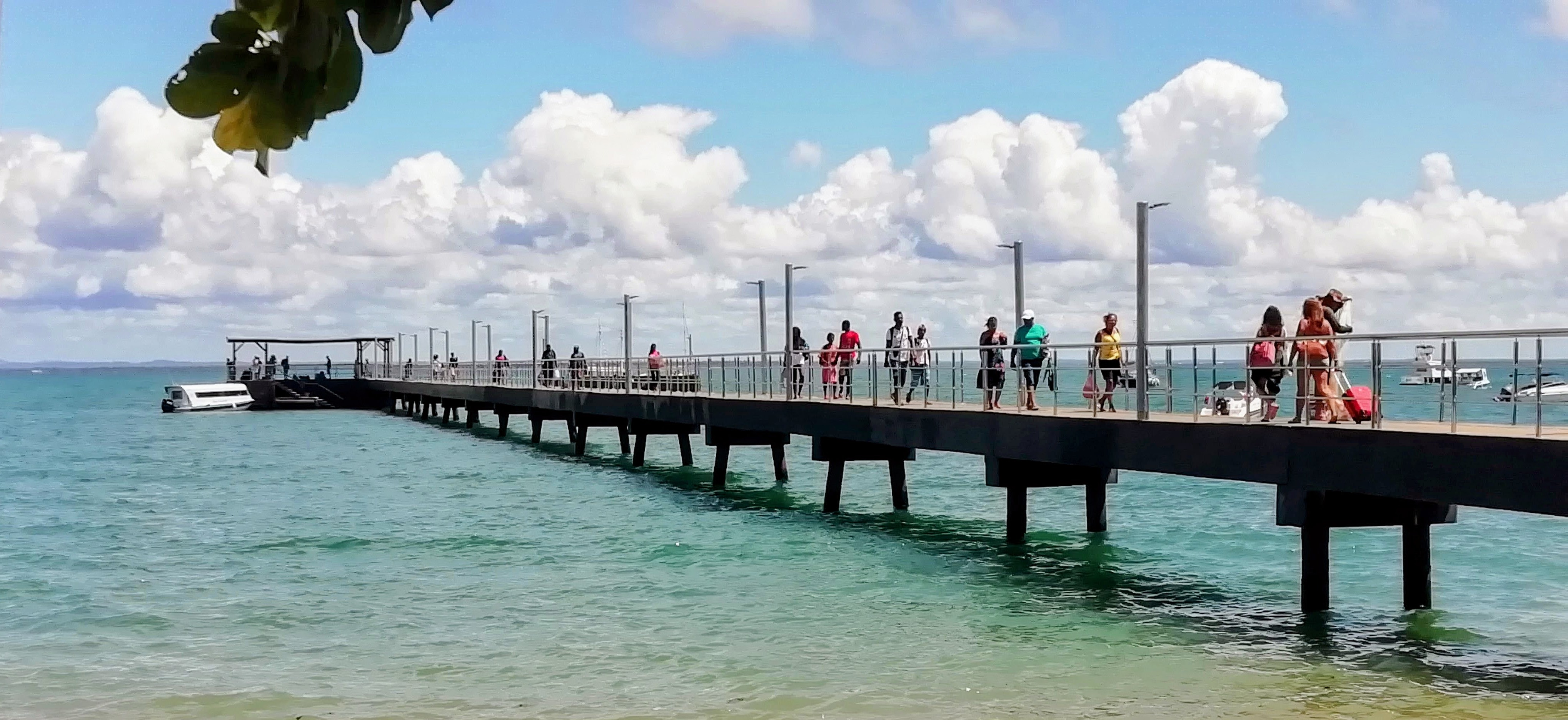
Barra Grande: A Unique Corner of the Maraú Peninsula
Barra Grande is a tranquil village situated on the outer, northern tip of the Maraú Peninsula in Bahia, Brazil. Its relative isolation and difficult access have helped it maintain a unique charm, contrasting with more developed tourist destinations. For these reasons we like visiting Barra Grande every now and then.
Uniqueness and Highlights
The uniqueness of Barra Grande and its immediate surroundings stems from a perfect blend of a relaxed fishing village atmosphere and stunning natural features:
Village Charm: It maintains a characteristic old fishing village atmosphere with a very relaxed lifestyle, sandy streets, and friendly locals. It's the main hub on the peninsula, featuring most services, restaurants, and transport connections.
Ponta do Mutá: Located at the northernmost point of the peninsula, this spot is famous for offering one of the most spectacular sunsets in Brazil, overlooking the bay.
Access to Both Coastlines: The village faces the Camamu Bay, providing calm, clear waters ideal for swimming and stand-up paddleboarding (SUP). A short walk takes you to the ocean side, which features longer beaches like Três Coqueiros and Bombaça.
Proximity to Taipu de Fora: Just south of Barra Grande is Taipu de Fora beach, known for its massive natural tidal pools formed by coral reefs at low tide, making it an excellent spot for snorkeling and diving.
Natural Ecosystems: The peninsula is a sanctuary of preserved nature, offering a rich mix of ecosystems, including extensive coconut groves, pristine beaches, fresh and saltwater lagoons (like Lagoa do Cassange and Lagoa Azul), and surrounding mangroves.
Below a photo of the Pier of Camamu
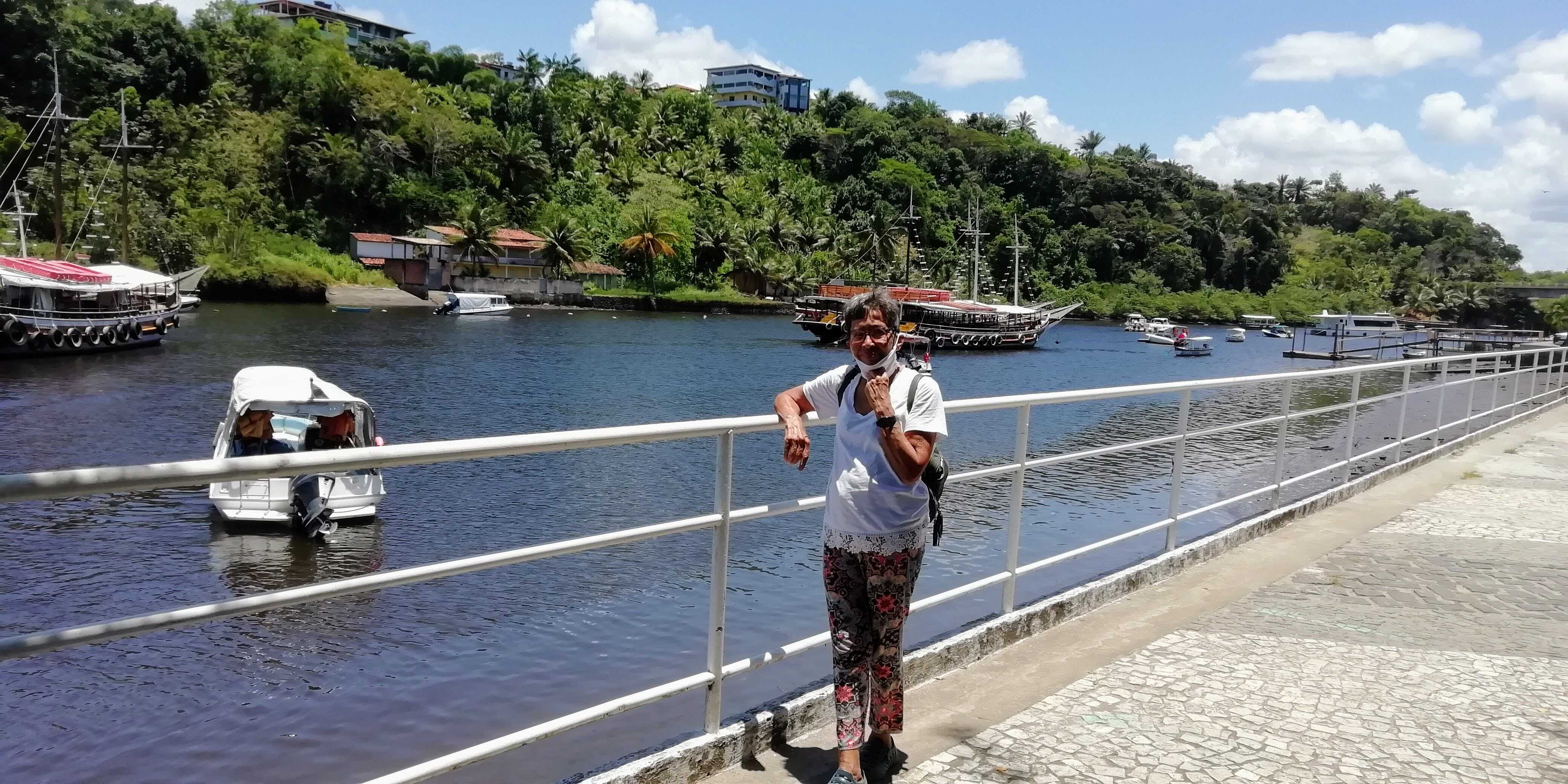
Getting to Barra Grande
To travel from Taboquinhas/Itacaré to beautiful Barra Grande on the Maraú Peninsula, you have two primary options: a convenient maritime connection via Camamu or a rugged overland journey via the BR-030.
The Convenient Two-Step Route via Camamu
This is widely considered the most practical and scenic way to reach Barra Grande, especially for those who prefer to avoid difficult road conditions.
Camamu serves as the main gateway to the peninsula. From Taboquinhas or Itacaré, you will first travel to Camamu and then take a boat across the bay.
Step 1 (Land): Drive or take a bus from Taboquinhas and/or Itacaré to the port of Camamu. This leg follows paved roads (BA-001) and takes about an hour.
Step 2 (Sea): At the Camamu pier, you can board a speedboat (lancha rápida) which departs hourly between 6:00 AM and 5:00 PM. The boat ride takes approximately 30 to 40 minutes.
Convenience: This route avoids the peninsula's rough dirt roads entirely; many travelers choose to leave their cars in secure parking lots in Camamu.
The Challenging Overland Route via BR-030
For those who prefer a road trip or need their vehicle on the peninsula, the BR-030 provides a direct but demanding land connection. The BR-030 is a notorious unpaved road that runs the length of the Maraú Peninsula.
Driving Conditions: The road is made of gravel and sand, frequently plagued by deep potholes, washboard surfaces, and "mud traps" during the rainy season.
Vehicle Requirements: While passable for regular cars in dry weather, a 4x4 vehicle is highly recommended, especially after rain when sections can become nearly impassable for smaller cars.
The Experience: Despite the difficulty, this route offers a raw, adventurous experience with access to several intermediate beaches like Saquaíra and Algodões before reaching Barra Grande.
Both routes offer unique perspectives of the Dendê Coast. If you prioritize comfort and speed, the boat from Camamu is the best choice. If you are looking for an off-road adventure and have a suitable vehicle, the BR-030 will take you through the heart of the peninsula's wild landscape.
Google Maps
Maritime Conection:
Overland Connection: