
Stay in a Nature Retreat
Itacare Rural
and discover the overwelming impact of a farmstay in lush nature
Blog, 2/12/2025
Photo with a view on Taboquinhas from our side of the river. The crossing point.
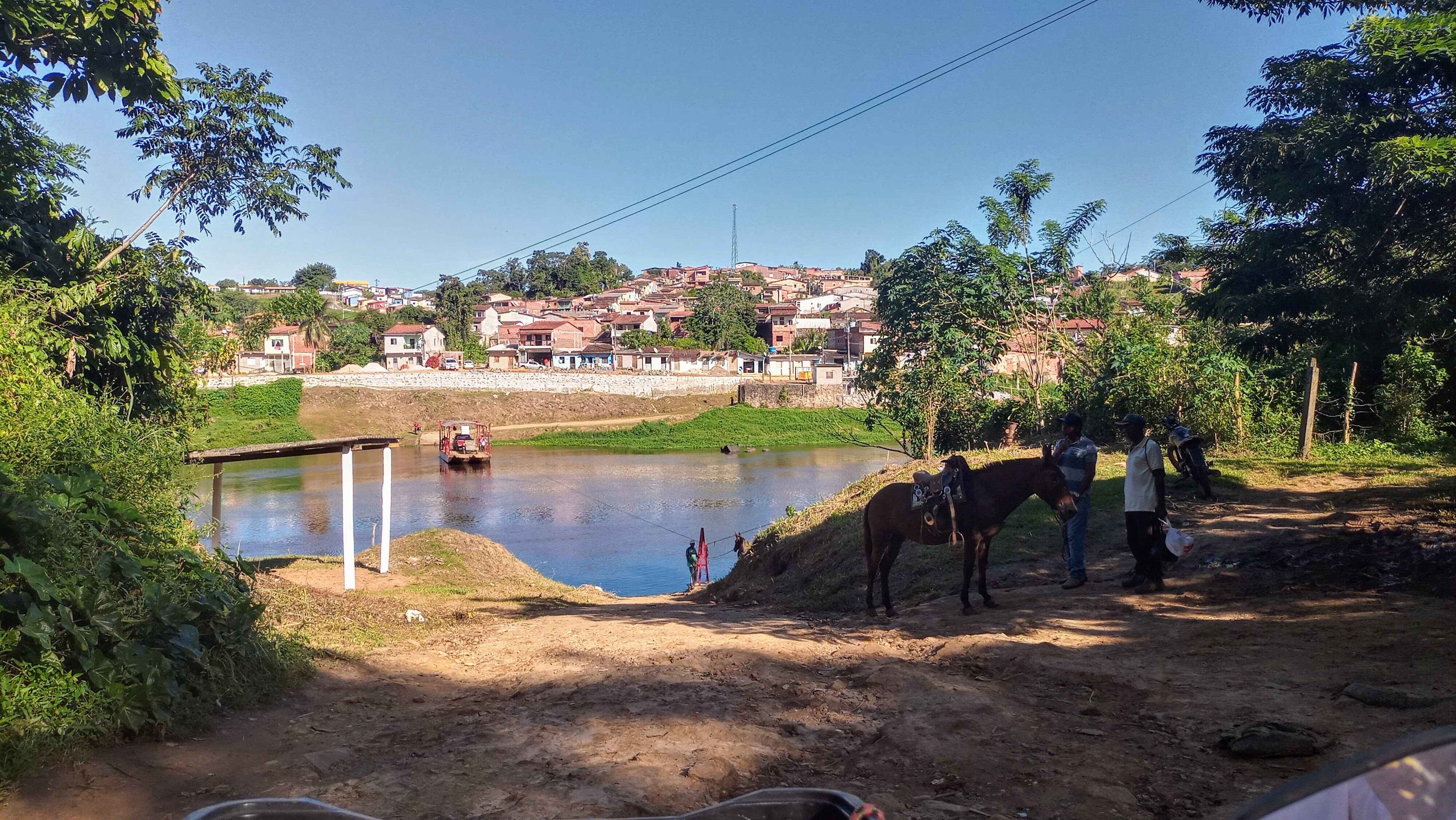
Focus on district Taboquinhas
Taboquinhas, a vibrant district within the municipality of Itacaré, Bahia, presents a compelling synthesis of natural splendor, rich agricultural heritage, and thrilling eco-adventure. Far from being merely a footnote to Itacaré's famed coastline, Taboquinhas stands as a destination of profound ecological and cultural significance.
The district is deeply embedded within the Atlantic Rainforest, a globally recognized biodiversity hotspot and UNESCO Biosphere Reserve. The preservation of this lush environment, home to threatened species and a remarkable diversity of flora and fauna, is a testament to both dedicated conservation efforts and, intriguingly, the historical practice of shade-grown cacao cultivation. This traditional farming method, which required the forest canopy for cocoa to thrive, inadvertently acted as a powerful conservation mechanism, demonstrating a unique symbiotic relationship between agriculture and environmental protection.
The river
The Rio de Contas, flowing through Taboquinhas, emerges not just as a river but as a vital ecological corridor—a "cradle of all life" supporting diverse aquatic species, and an abundance of avian life.
The fertile soils of Taboquinhas have historically underpinned its economy through cocoa cultivation. Despite the devastating impact of the "witches' broom" plague in the late 20th century, the region's cocoa industry has resiliently recovered, now embracing a new chapter centered on agro-tourism. Visitors can delve into the intricate "bean to bar" process at historic cocoa farms, gaining an appreciation for the artisanal methods that yield high-quality chocolate. This evolution represents a strategic diversification, with farms also producing vanilla, organic dairy, cloves, and a rich variety of tropical fruits, enriching the rural experience and strengthening the local economy.
The abundance of water features is a defining characteristic of Taboquinhas. The powerful rapids of the Rio de Contas offer world-class white-water rafting, rappelling, zip-lining and kayaking, establishing the district as a premier destination for adventure sports. Complementing these thrills are numerous picturesque waterfalls—including Cleandro, Usina, Noré amongst others—each providing unique opportunities for refreshing swims, nature observation, and exploration amidst the verdant forest. These waterways are not merely scenic backdrops but active components of Taboquinhas' identity, inviting deep engagement with its natural environment.
While Taboquinhas itself is celebrated for its inland, riverine, and forest-based attractions, its integration within the broader municipality of Itacaré ensures convenient access to a collection of truly paradisiacal beaches. These coastal gems, ranging from lively urban shores to secluded, pristine stretches accessible by forest trails, offer diverse experiences, from world-class surfing to tranquil natural pools. This proximity means that visitors to Taboquinhas can seamlessly combine their immersion in the lush interior with the iconic coastal beauty that defines Itacaré.
Essentials of Taboquinhas
In essence, Taboquinhas offers a comprehensive and deeply enriching travel experience. It is a destination where the legacy of cacao, the vitality of the Atlantic Rainforest, the thrill of river adventures, and the allure of nearby paradisiacal beaches converge, creating a unique and unforgettable tapestry for the discerning eco-tourist and nature enthusiast.
-/-
12/12/2025
Popular Itacaré
Itacaré, located on the Cocoa Coast of Bahia, Brazil, has become a globally recognized tourist destination primarily due to its harmonious blend of preserved natural beauty, vibrant culture, and world-class adventure tourism opportunities.
-/-
25/12/2025
Getting to Itacaré
Getting to Itacaré from abroad is an adventure that involves a mix of international travel and a scenic local commute.
-/-
30/12/2025
Exeptional Barra Grande
Barra Grande, a unique corner of the Maraú Peninsula, is a tranquil village situated on the outer, northern tip of the Maraú Peninsula in Bahia, Brazil. Its relative isolation and difficult access have helped it maintain a unique charm.